Checks to Run Before Selling Your Phone: A Seller's GPUX Guide
Inspect it as a buyer, describe it as evidence, sell it without surprises.
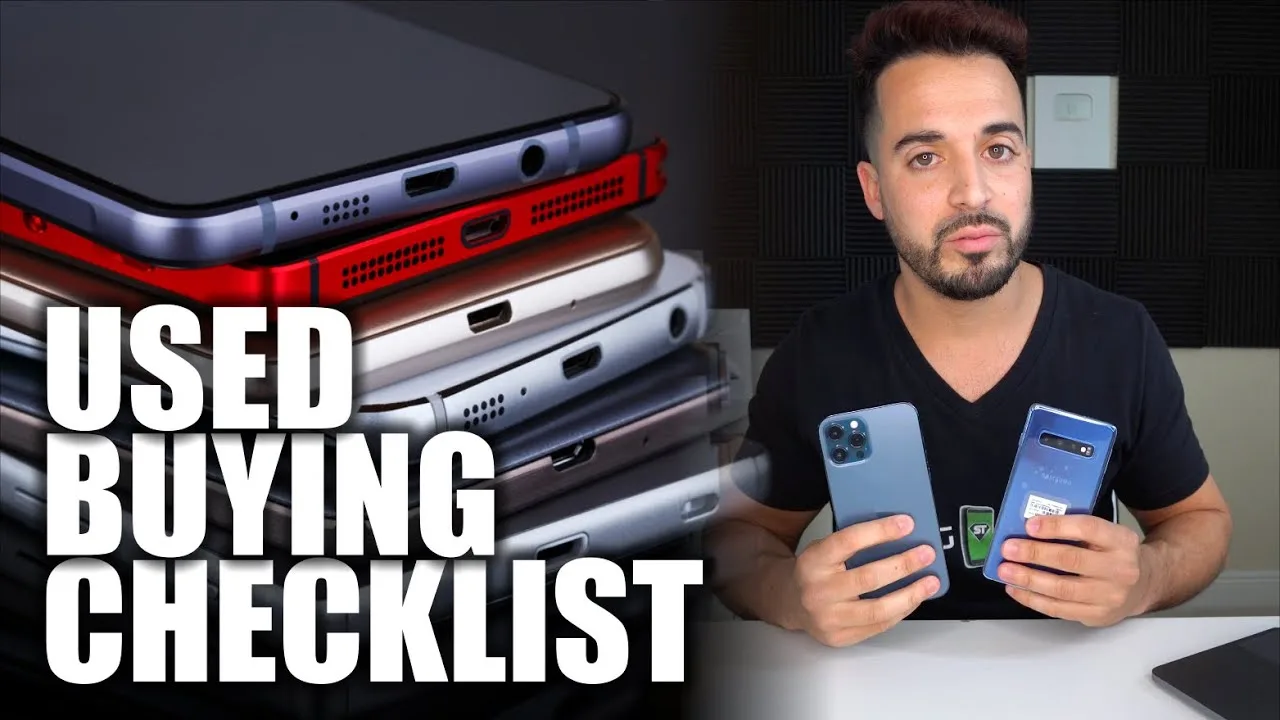
The seller's advantage in a used-phone market is not polish; it is proof. A phone offered with an honest inspection — its battery evidence, its check results, its faults named and priced — sells to a better buyer at a better price than the same phone wrapped in adjectives. GPUX pre-sale checks give sellers the buyer's own instruments, and this guide runs them from the seller's side: inspect as a buyer would, fix what is cheap, disclose what remains, and hand over the report with the phone.
Nothing here is theatre. Every step either improves the phone, improves the evidence, or improves the price's defensibility — the three things a serious sale is made of.
Run the inspection a few days before listing, while there is still time to act on what it finds.
Inspect It as a Buyer Would
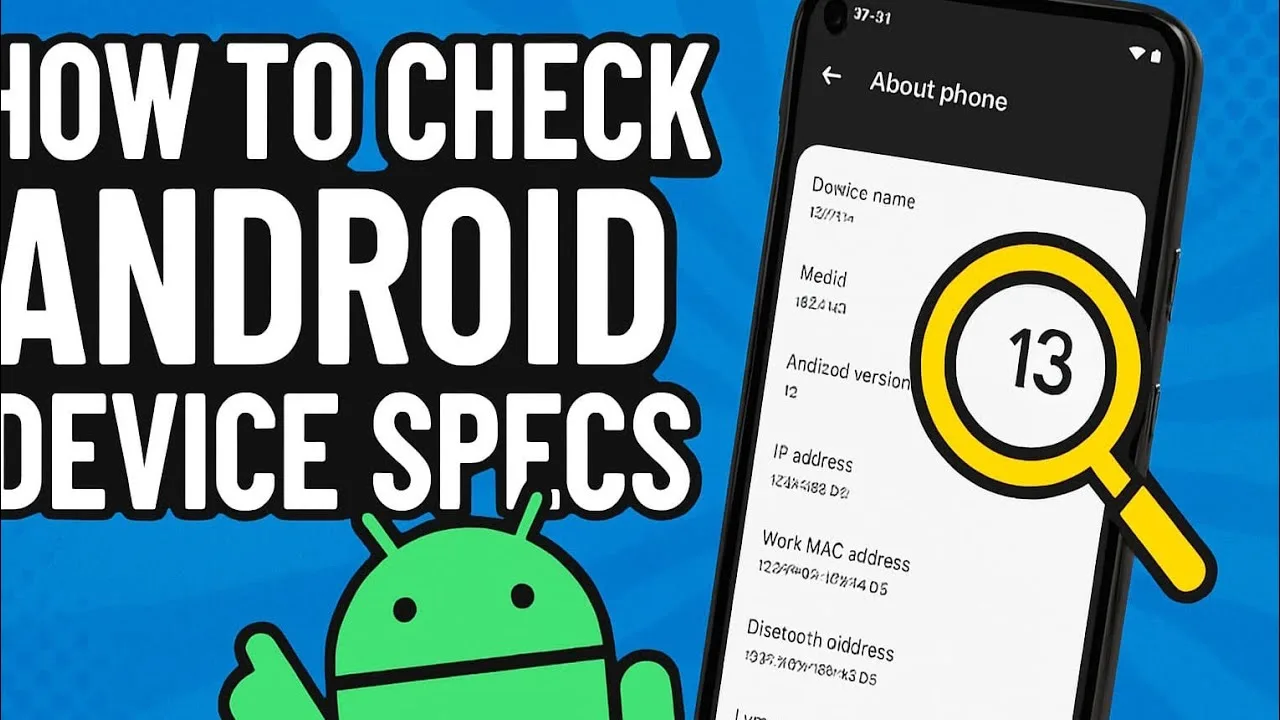
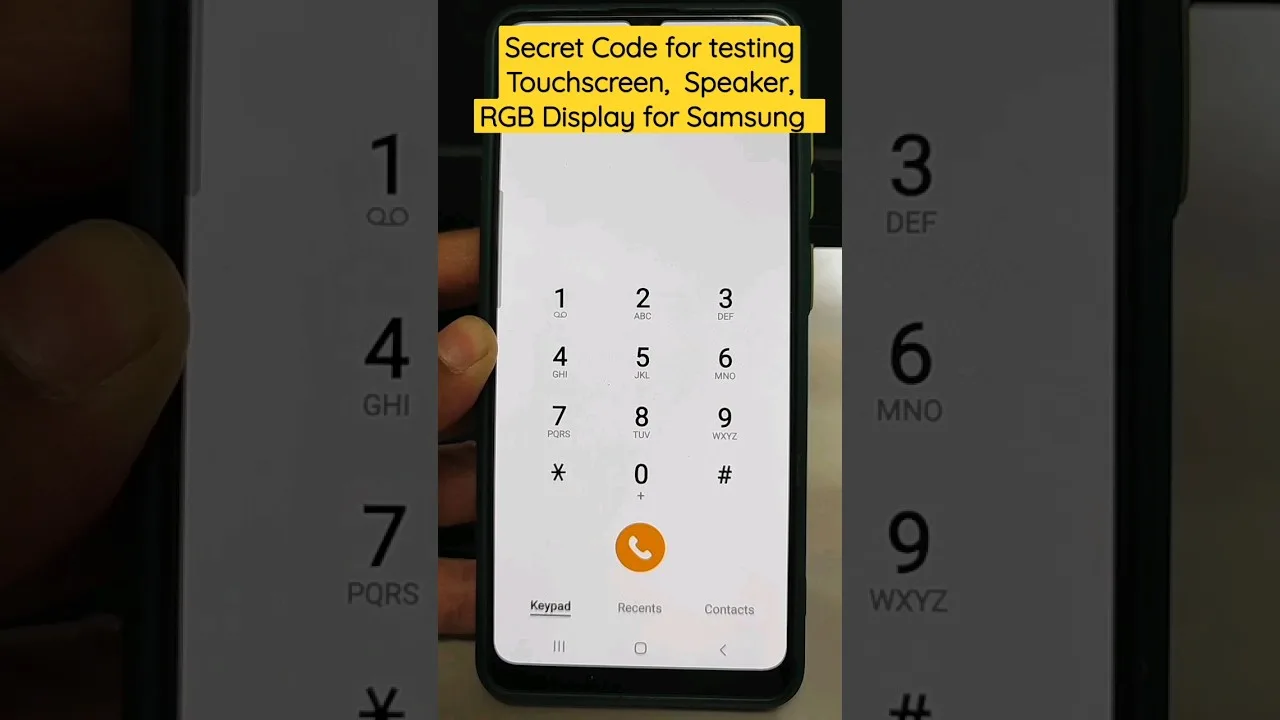
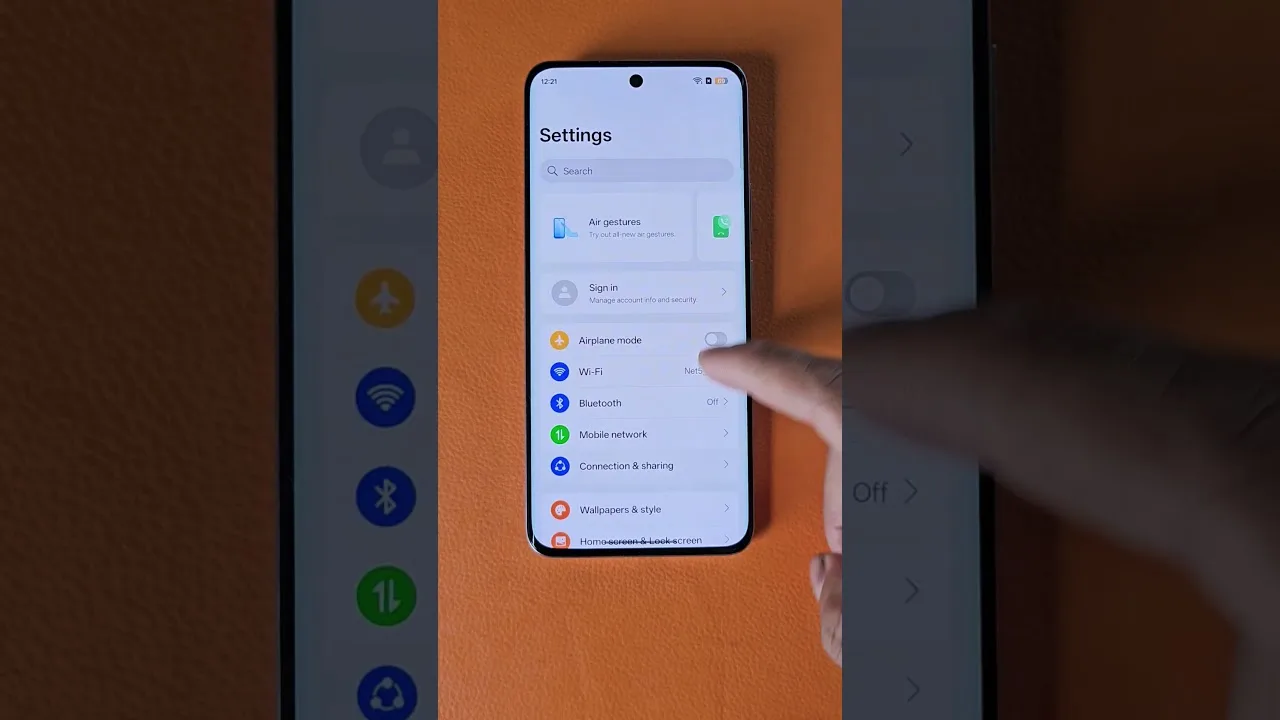
Run the full method on your own phone without favour: Device sheet, Inspect walk, battery data, a Bench baseline, the physical pass. The buyer who eventually checks will find what you find; the only question this step settles is whether you learn it first, in private, with time to respond.
Mark honestly — especially honestly. A seller's inspection that flatters is a draft of the buyer's disappointment, and it will be re-marked at the meeting by hands with no reason to be generous.
Fix What Is Cheap, Disclose What Is Not
Sort the findings by remedy: the cleanable (a lint-filled port, a smudged lens), the maintainable (a full drive freed, updates installed), and the structural (battery wear, a tired port, a pixel). Fix the first two classes completely; they cost little and remove the findings buyers use to discount everything else.
The structural class is not fixed but priced and disclosed — named in the listing with its evidence attached. Disclosure converts a fault from a negotiation ambush into a priced feature of the deal, and buyers pay for certainty more reliably than for perfection.
Battery Evidence: The Seller's Best Document
Buyers fear batteries because they cannot see them; your battery data — capacity estimate, cycle count where exposed — is the antidote, and it belongs in the listing beside the photographs. A battery at honest health, documented, outsells a battery of unknown health at a fantasy description every time.
Present the data with its proper humility, as this library's battery guide teaches: readings as readings, unavailable fields as unavailable. A seller who labels uncertainty accurately will be believed about everything else.
Prepare the Phone Itself
Beyond the inspection: install pending updates so the patch level is the best the phone can show, free the storage of your leavings, and — at the handover point, not before — perform the full reset that returns it to a first-run state with your accounts removed.
Order matters: inspect and document first, while the phone is still set up; reset last, when the evidence is saved and the buyer is real. A phone reset before its inspection is a phone whose story can no longer be checked by its own seller.
Write the Listing From the Evidence
Let the inspection write the listing: model and configuration as the Device screen reports them, battery evidence in numbers, check results summarised, faults named with their prices already reflected. Listings written from evidence read differently — specific where others are vague — and specificity is what serious buyers sort by.
Keep claims inside what you measured. 'Battery health 89% as reported by GPUX' is a sentence you can defend at the meeting; 'battery like new' is a sentence the meeting will test. The report format that carries this evidence is in the GPUX Lab export reports guide.
At the Meeting: Let Them Check
Invite the buyer's own inspection and offer yours as the starting document. A seller who hands over the report and the phone together — 'check anything' — has made the strongest statement available in a used market, and it costs nothing but the confidence the preparation built.
Answer questions from the evidence where you have it and say 'I don't know' where you do not; the pair of habits is indistinguishable from honesty because it is honesty, instrumented. The privacy side of the handover — your data fully removed, the report you share stripped of identifiers — follows how GPUX keeps phone checks offline-first.
Price From the File, Not the Hope
Set the price from the completed file: the model's market, minus the priced faults, plus the value of documented certainty. When a buyer negotiates, the file negotiates back — each discount request meets the evidence that already priced that fault in.
Keep the file after the sale. If a dispute ever comes, the inspection, the listing written from it, and the exported report are the record of what was sold and said — protection that costs one folder and settles arguments that memories would restart forever.
Inspect without favour, fix the cheap, disclose the rest, document the battery, write the listing from evidence, and invite the buyer's own checks: a sale conducted that way is not merely honest — it is better business, measurably, in price and in peace.
Run the inspection on the phone you plan to sell this week, before the listing exists. Sellers who meet their phone's evidence early sell it once; sellers who meet it at the buyer's hands sell it twice — the second time at a discount.