Signs of a Refurbished or Repaired Phone: Reading the Evidence
Repairs are not sins; undisclosed repairs are evidence problems.
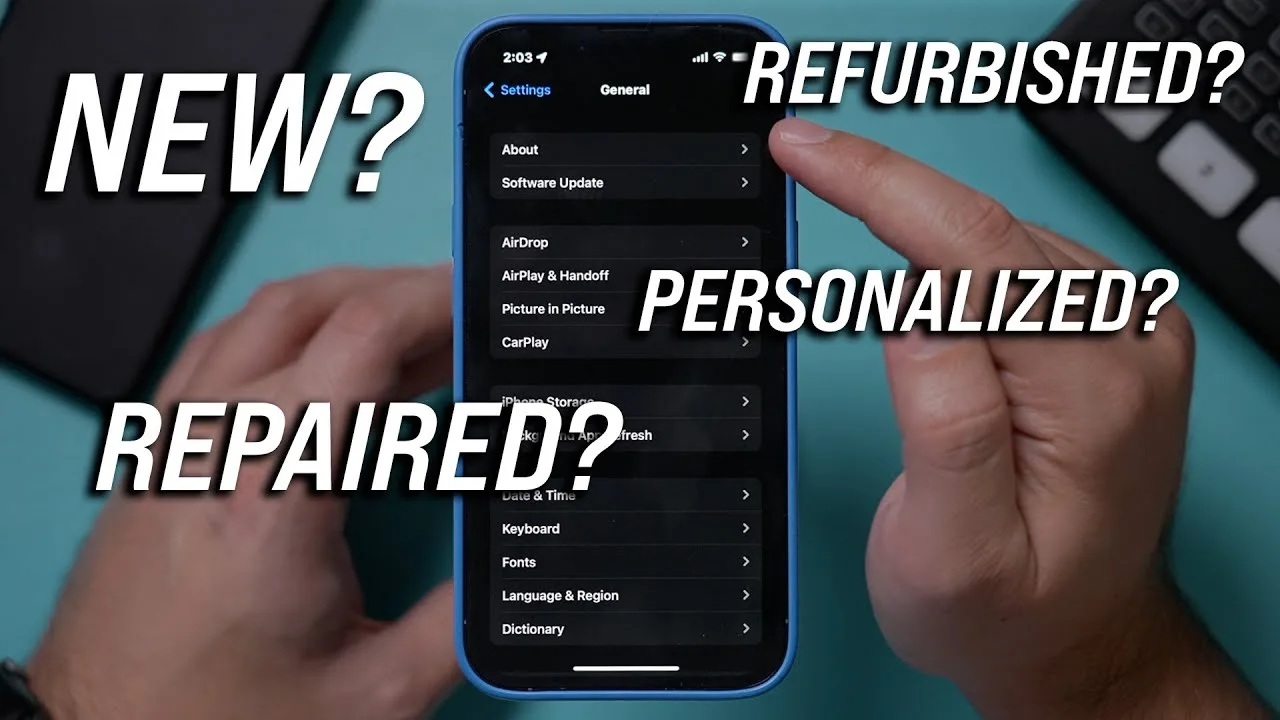
A repaired phone is not a bad phone — screens break, batteries age, and honest repairs return devices to full service. The inspection problem is the undisclosed repair sold as untouched history, and GPUX phone checks help you read the evidence a phone carries about its own past: spec-sheet coherence, display and sensor behaviour, battery data, and the pattern of small inconsistencies that separates a factory-original handset from a rebuilt one. This guide teaches that reading, and the fairness that should accompany it.
Hold the conclusion loosely and the evidence tightly. Individual signs have innocent explanations; patterns of signs are what justify a question, a price adjustment, or a walk-away.
Nothing here accuses a seller. It equips a buyer to ask precise questions — the kind honest sellers answer easily.
Start With the Spec Sheet's Coherence
A factory phone's fields agree with each other and with the model's known configuration. Incoherence — a display resolution that does not match the model's, a sensor inventory missing pieces the model ships with, camera counts that disagree with the specification — is the fingerprint of replaced parts more often than of factory variation.
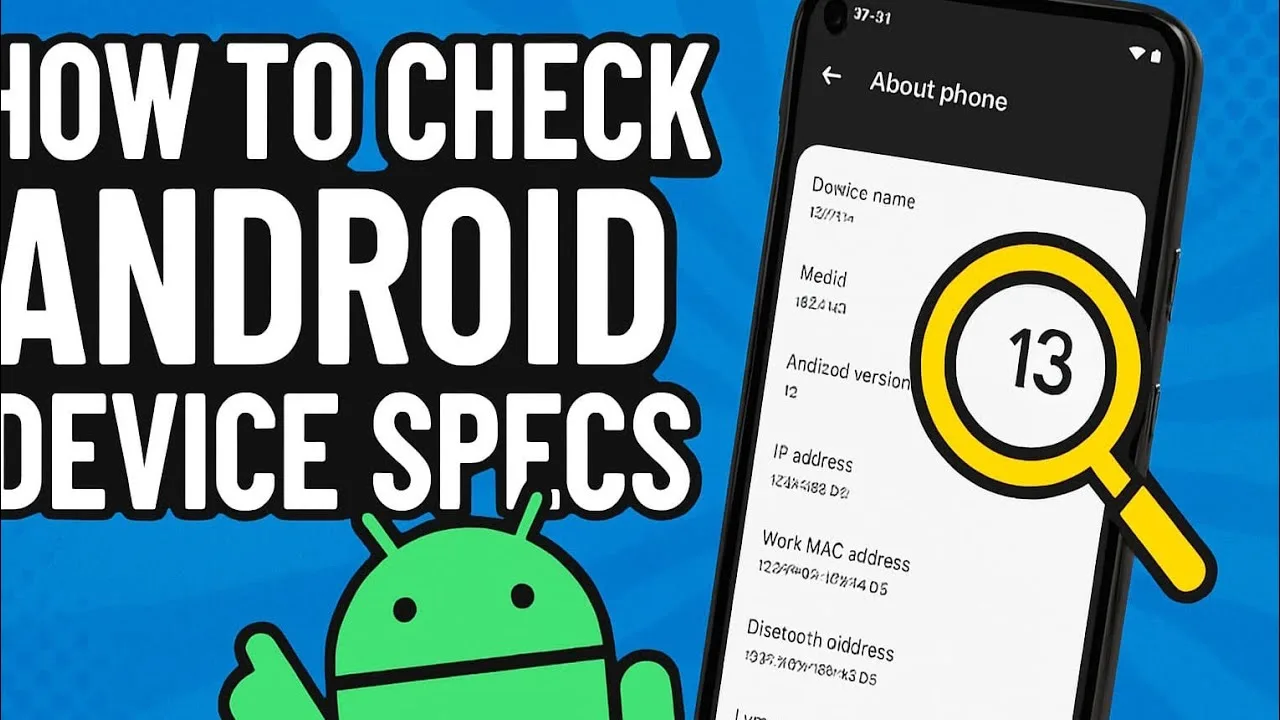
Read the whole sheet before touching anything, using the method in reading the full spec sheet with GPUX. A replacement display is the classic case: the phone works, the picture looks fine, and the reported panel quietly differs from the one the model left the factory with.
Display Evidence
Replacement screens confess in uniformity and touch before they confess in specifications: uneven brightness, a tint that shifts at angles the original panel holds, touch that is slightly less certain at the edges. The Inspect display checks — solid colours at several brightnesses — are designed to give these confessions a stage.
Judge comparatively where you can: the same model in known-original condition is the reference. Alone, a display finding is a note; beside a spec-sheet mismatch, it becomes a conclusion.
Battery Evidence and Its Limits
A battery reporting capacity near or above design on a phone of claimed years and heavy use invites a question — batteries age in one direction, and a suspiciously young battery in an old phone usually means a replacement. That may be a selling point when disclosed; undisclosed, it reframes everything else the seller has said.
Respect the data's limits, as this library's battery guide insists: estimates are estimates, unavailable values are labelled rather than filled, and battery evidence supports a question, never an accusation on its own.
Sensor and Small-System Patterns
One misbehaving sensor is a fault; several small systems misbehaving together — a sensor silent, a torch dead, touch uncertain at one edge — sketch a history of impact, water, or opening. Repairs concentrate where damage concentrated, and the pattern across Inspect's checks reads like a map of the event.
Run the full Inspect walk rather than spot checks when refurbishment is the question. Spot checks find faults; the full walk finds patterns, and patterns are the evidence this question runs on. The checks themselves are explained in the GPUX Inspect checks explained.
Software and Identity Clues
Software tells its own history: an Android version or build that does not match the model's release pattern, region details inconsistent with the claimed origin, or a device whose reported identity fields sit oddly together. None is conclusive — updates and imports explain much — but each is a question with a factual answer an honest seller can give.
Warranty and repair disclosures belong in the same conversation: ask directly, and weigh the answer against the evidence you have gathered rather than instead of it. Agreement between story and evidence is the actual product being bought.
Physical Clues, Briefly
Eyes and fingers finish what the instruments start: screws with marked heads, seams that sit unevenly, a back that flexes where it should not, port wear inconsistent with claimed use, and adhesive evidence around a replaced screen or battery cover. Physical inspection is a craft of comparison — symmetry is the factory's signature, and asymmetry is where you look twice.
Camera lenses deserve the light test: dust inside a sealed unit, or a lens sitting fractionally off-centre, often dates from the day the phone was opened. The camera checks guide in this library will show you the functional side of the same evidence.
Decide Like an Inspector, Not a Prosecutor
Sort findings into three piles: explained and acceptable (a disclosed screen replacement with a clean bill from every check), unexplained but minor (priced into the offer), and patterned or contradicted (the story and the phone disagree — walk away, not because the phone is bad but because the evidence is).
A refurbished phone, honestly described and thoroughly checked, can be the best value on the table. Your inspection is not hunting repairs; it is hunting surprises — and a phone with no surprises left is a phone you can buy with both eyes open.
Coherence in the sheet, patterns in the checks, battery data read with humility, and physical clues compared against symmetry: that is how a phone's past is read from its present. Repairs are history; undisclosed repairs are the only offence — and evidence is how you tell the difference.
Practise the reading on a phone whose history you know. Calibrated eyes, like calibrated instruments, are made on known samples.